
01 · Question
What are you missing?
How often do we judge a situation using facts we never verified, a story we heard only once, or an assumption we never noticed?
What if the greatest harm isn't caused by evil people, but by people who genuinely believe they are doing the right thing? Through Saira and Pashi, this thought-provoking story examines the hidden gap between intention and consequence, certainty and awareness, morality and truth.
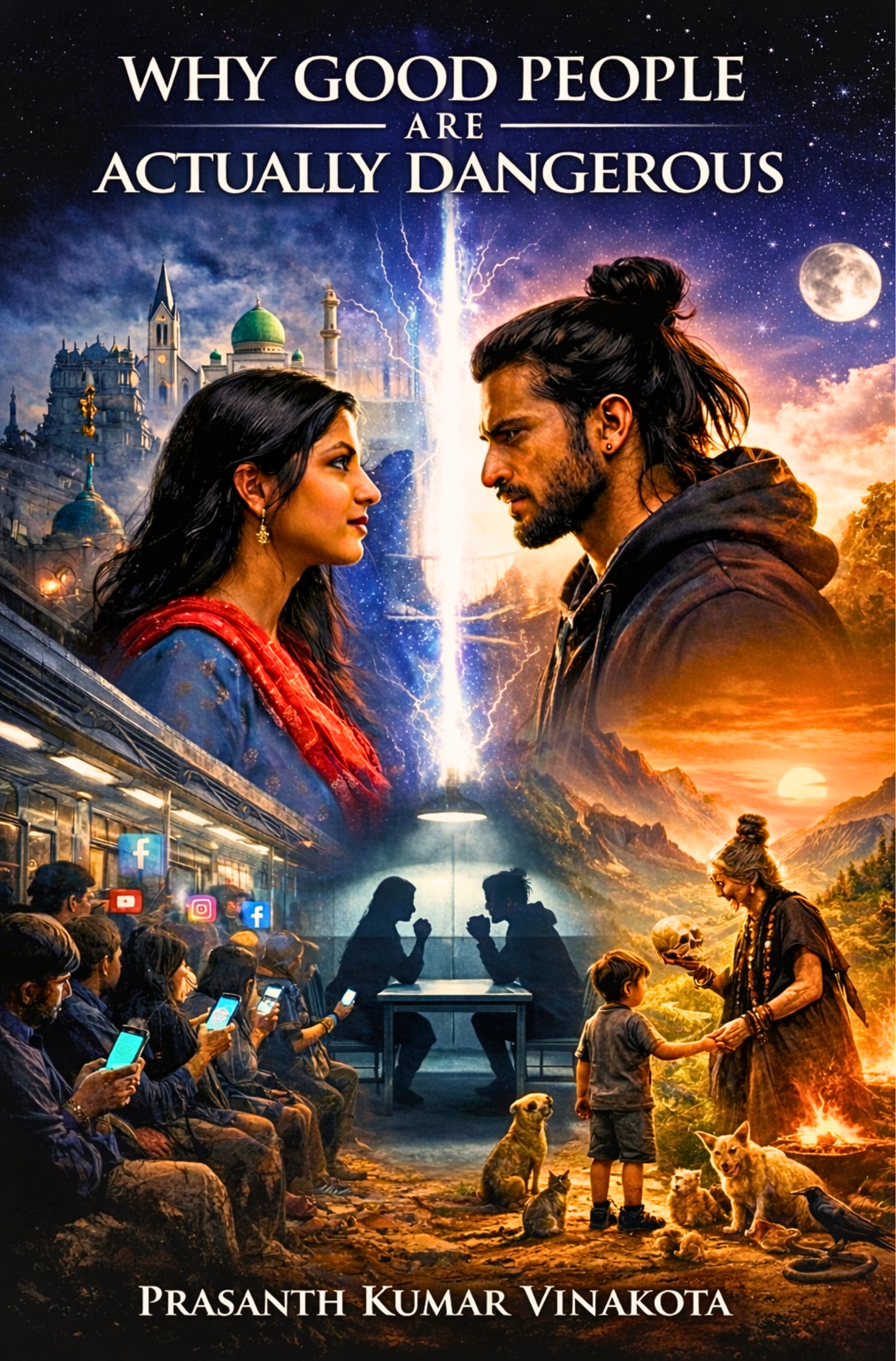
Most of us spend our lives trying to become better people. But what if the thing that makes us dangerous is not bad intention, but the certainty that our intention is right?
How often do we judge a situation using facts we never verified, a story we heard only once, or an assumption we never noticed?
Good intentions can still produce harm. The book asks us to look at consequence, context, perception and responsibility, not intention alone.
Or would you rather see clearly? That tension sits at the heart of the story and eventually turns the reader's attention inward.
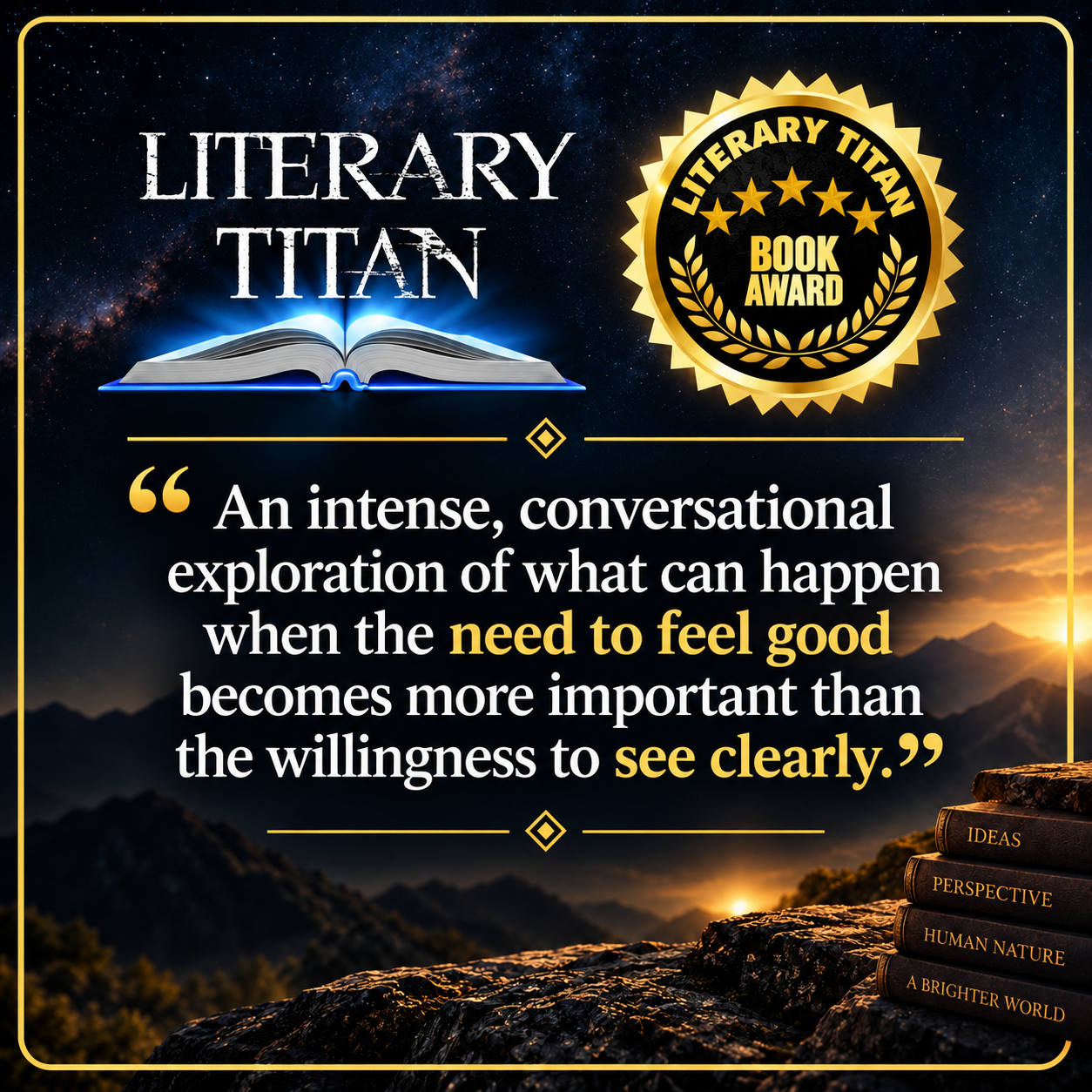
Literary Titan recognized the book for its intense, conversational exploration of what can happen when the need to feel good becomes more important than the willingness to see clearly.
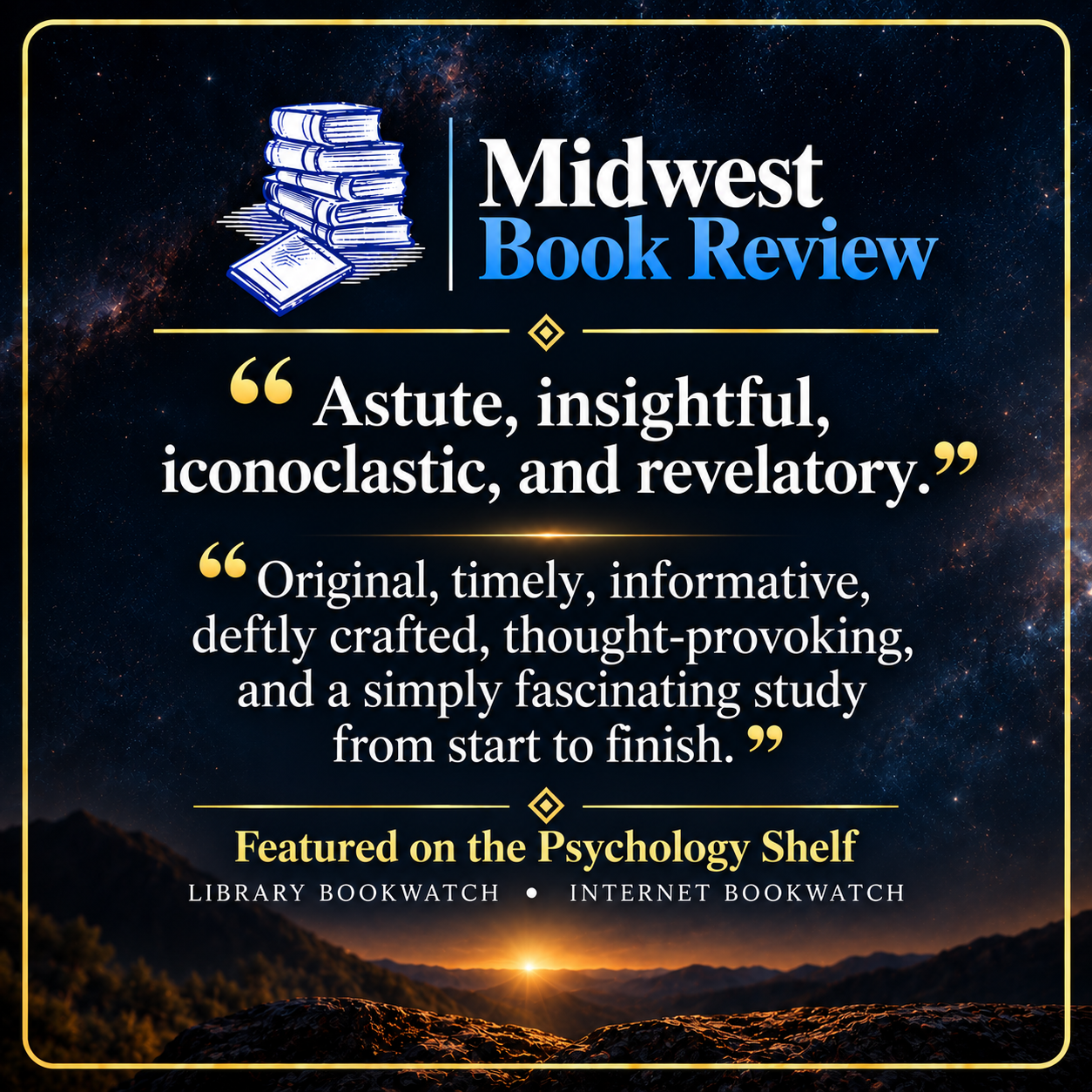
Featured on the Psychology Shelf, with praise for its originality, insight and thought-provoking exploration.
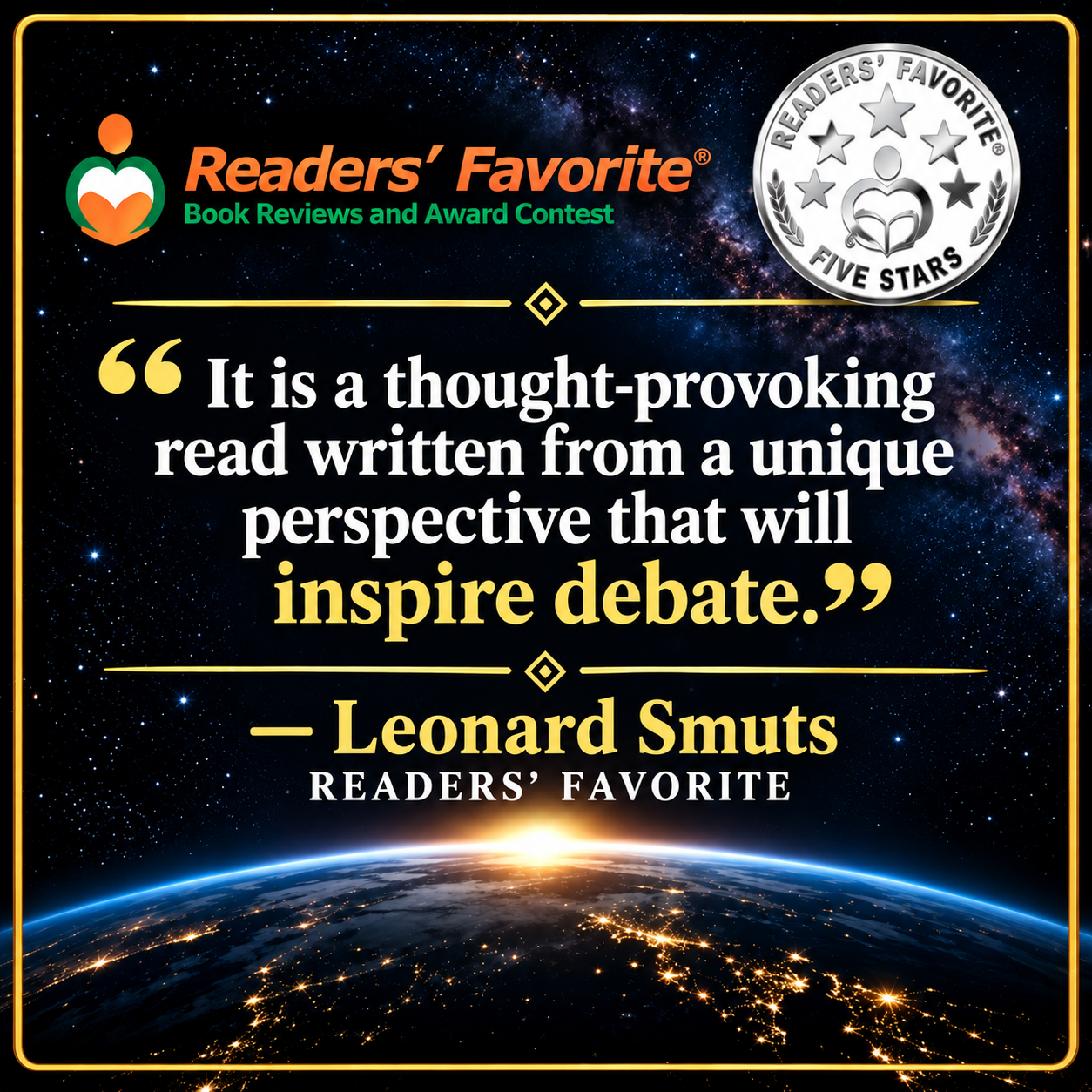
Five-star recognition for a thought-provoking read written from a unique perspective that will inspire debate.
Gold Award recognition for an intense, conversational exploration of feeling good versus seeing clearly.
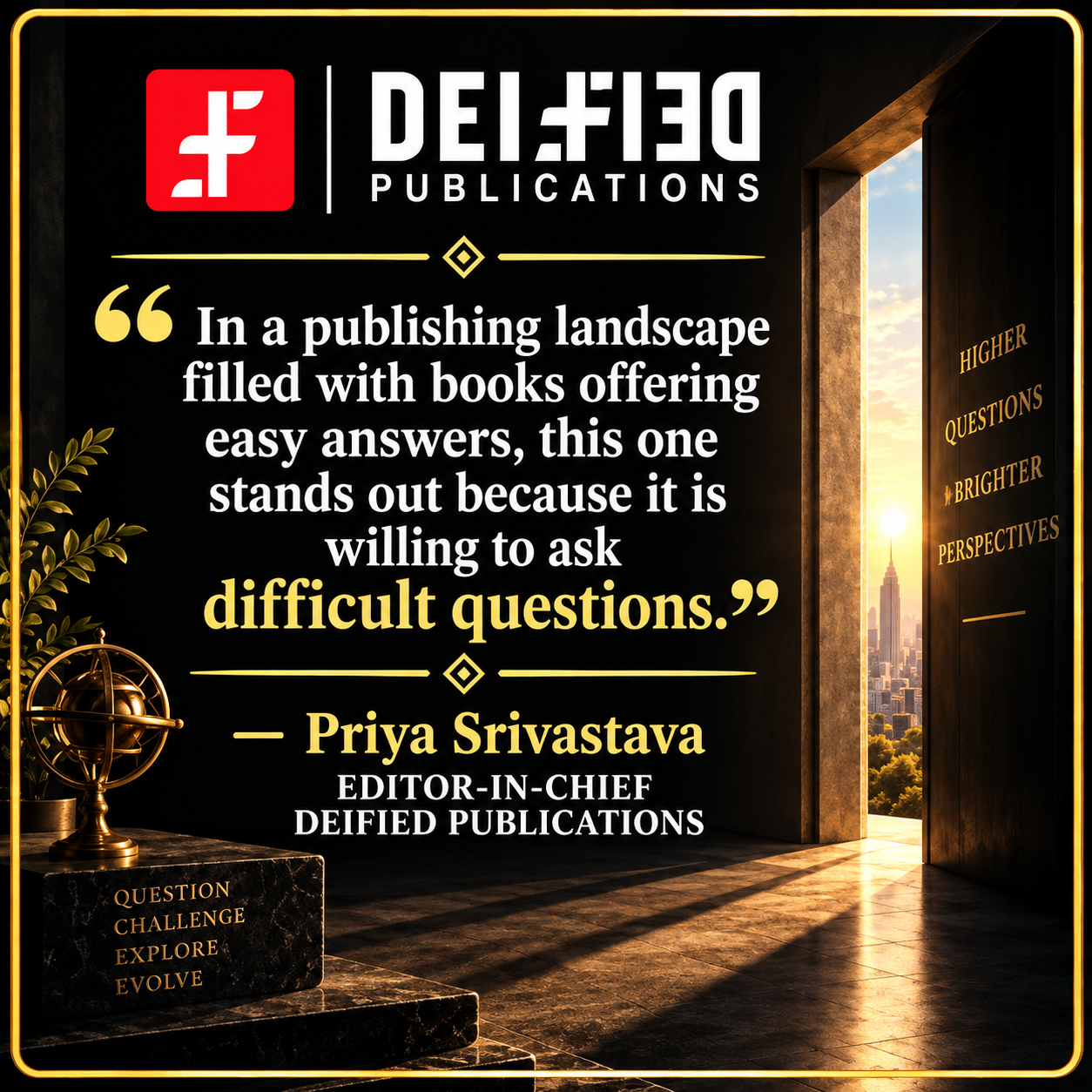
Editor-in-Chief Priya Srivastava highlights the book's willingness to ask difficult questions instead of offering easy answers.
The full reviews are always one click away. Find your Amazon store →
The ideas are philosophical. The experience is human. Through Saira and Pashi, the book turns questions about morality, certainty, perception and consequence into something you can actually feel.
The point is not to hand the reader a new ideology. It is to make the reader more aware of the machinery behind belief, judgment and moral certainty.
Human behaviour is rarely that clean. The book explores what happens in the grey area where intentions, context and consequences collide.
Some ideas may make you uncomfortable. That is intentional. Reflection matters more than automatic agreement.
It leaves you with a harder, more useful question: what might you be missing?
An original framework introduced in the book for examining how an observer’s moral evaluation of an action can become coupled with an inferred intention, producing a sense of certainty despite the intention being unobservable.
An original lens that proposes a shift from moral classification toward examination of recurrent consequences and feedback in relation to one’s own intentions and actions.
Two short videos introduce the people at the centre of the book.
A single moment on a crowded metro changes everything.
Spoiler Alert: This trailer has key events from Pashi's story. Every judgment has another side. Discover the story that challenges everything the crowd believed.
What Are We Missing? is a philosophy and critical thinking podcast created by Prasanth Kumar Vinakota, based on the ideas from the book Why Good People Are Actually Dangerous and is hosted by Olivia Ilavarasi. This podcast is about investigation, not persuasion. Every episode explores a question that most of us think we already know the answer, through current events, history, psychology, science and everyday life, not to tell you what's right, but to help you think more clearly, question assumptions and see what we often overlook.
Before you decide. Ask yourself..
What Are We Missing?
How many people have you judged using facts you never actually verified?
What if your strongest opinion is built on your weakest assumption?
Would you rather be right or see clearly?
How many of your beliefs are conclusions, and how many are inheritances?
What happens when being a good person becomes more important than being a responsible one?
What are you missing?
Go beyond the book itself. In his Literary Titan interview, Prasanth Kumar Vinakota discusses the ideas, psychology and storytelling behind Why Good People Are Actually Dangerous.
Read the Literary Titan interview ↗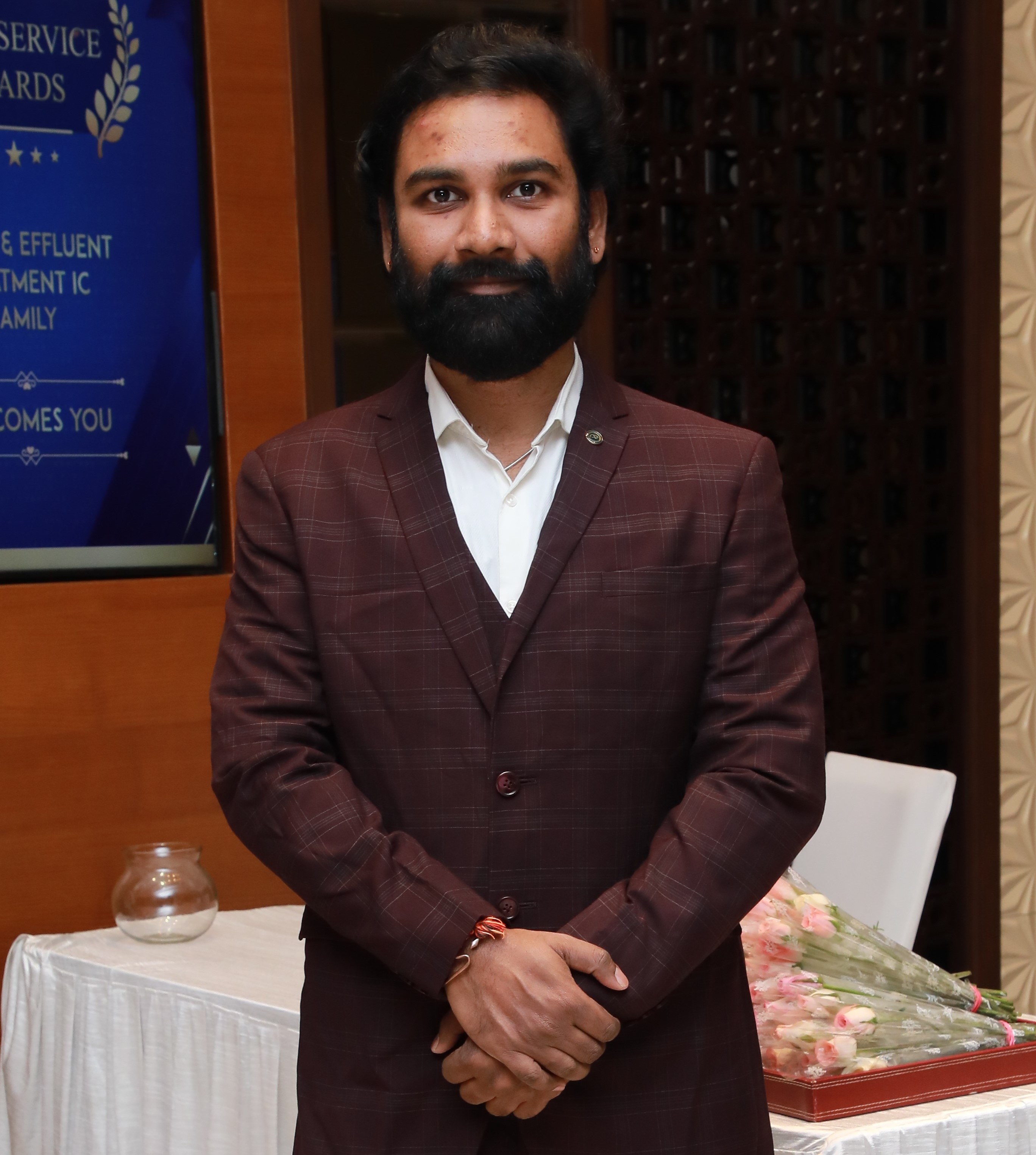
Prasanth Kumar Vinakota is an author, systems thinker, and observer of human behaviour whose work explores the invisible gap between intentions and consequences.
Rather than asking whether people are good or bad, he investigates a more difficult question: Why do ordinary people unintentionally create extraordinary harm?
Through books, writing and Leksi Smart, he continues exploring psychology, awareness, decision-making and the hidden patterns that quietly shape human behaviour.
This isn't a typical philosophy book and it isn't a typical self-help book either.
Why Good People Are Actually Dangerous is best described as narrative philosophy, a blend of storytelling, moral psychology, philosophy and human behaviour. The ideas unfold through the lives of Saira and Pashi.
No. It does not offer motivational advice or simple formulas. Instead, it encourages readers to question assumptions and observe how judgment, belief and certainty influence decisions.
Not at all. The book is written for thoughtful readers rather than academics, and complex ideas are introduced naturally through the story.
The title is intentionally provocative. The book does not argue that good people are bad. It explores how good intentions can become harmful when people become completely certain they are right or stop questioning themselves.
Readers interested in psychology, philosophy, leadership, ethics, human behaviour, personal growth and difficult questions, especially those who prefer reflection instead of easy answers.
The book combines an emotionally engaging story with original frameworks such as MIST and TRIL. The reader experiences the ideas through choices, misunderstandings and consequences rather than only reading abstract theory.
Probably not. The book is designed to encourage reflection rather than agreement. Some ideas may challenge long-held beliefs.
Paperback and Kindle are available through Amazon stores around the world. Choose the marketplace that suits you in the purchase section below.
The story of Saira and Pashi is only the beginning. The real subject of the book may be the assumptions you bring with you.
Choose your country.
“The most meaningful books don't give us better answers. They leave us with better questions.”
Perhaps the most dangerous people are not those who choose evil. Perhaps they are simply people who have stopped questioning themselves.
Start reading